
Trigger Finger
Physiotherapy for Trigger Finger
Trigger finger causes pain, stiffness, and locking of your fingers, making daily tasks and grip difficult. Our physiotherapy programs reduce pain, restore finger mobility, and improve hand function so you can return to work, sport, and everyday activities.
Understanding Trigger Finger
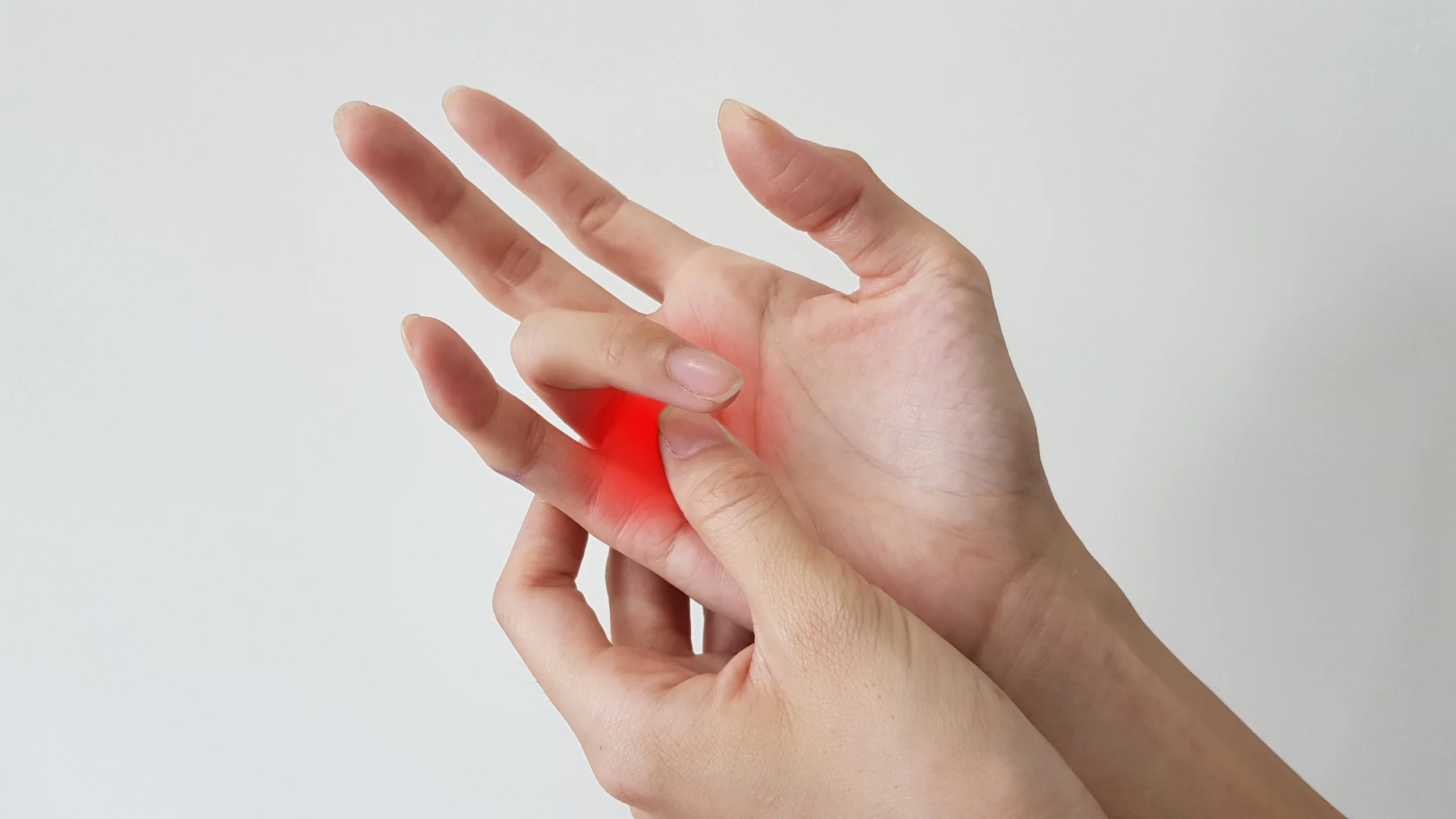
Trigger finger, or stenosing tenosynovitis, occurs when the tendon that bends the finger becomes inflamed and thickened, causing it to catch or lock during movement. It commonly affects the thumb, middle, or ring fingers and can make gripping, pinching, or lifting objects painful.
Physiotherapy targets both tendon mobility and hand function, helping reduce pain, improve finger motion, and restore normal grip and dexterity.
Common Symptoms We Assess
Finger stiffness, especially in the morning
Clicking, popping, or locking of the finger
Pain at the base of the finger or thumb
Weak grip or difficulty holding objects
Tenderness over the affected tendon sheath
Swelling or a small nodule at the tendon
How Physiotherapy Helps Trigger Finger
Our approach focuses on restoring tendon glide, reducing inflammation, and improving hand function.
Our Treatment Approach Includes:
Comprehensive Assessment
Evaluating finger tendon mobility, hand strength, grip patterns, and contributing wrist and forearm mechanics.Manual Therapy & Mobilisation
Gentle tendon gliding, soft tissue release, and joint mobilisation to improve motion and reduce catching.Targeted Strengthening Exercises
Finger and thumb tendon exercises
Grip and pinch strengthening
Forearm and wrist stabilisation exercises
Activity Modification & Ergonomic Advice
Adjusting work, sport, or daily tasks to reduce repetitive stress on affected tendons.Supportive Splints or Gloves
Temporary splinting can prevent locking and protect the tendon during flare-ups.Functional Retraining
Restoring finger coordination, dexterity, and endurance for daily activities, sport, and work tasks.
Areas We Treat for Trigger Finger
Affected finger(s) and tendon sheath – improving glide and reducing catching
Thumb and hand muscles – stabilisers supporting grip and pinch
Forearm muscles – reducing tendon overload and improving control
Wrist mobility and stability – ensuring smooth tendon movement
Functional hand use – grip, pinch, lifting, typing, and daily tasks
Activity and ergonomic adjustments – reducing repetitive strain
Why Choose Our Clinic for Trigger Finger?
Evidence-based physiotherapy for stenosing tenosynovitis
Hands-on therapy combined with strengthening and functional retraining
Tailored programs for work, sport, and everyday activities
Focus on restoring motion, grip strength, and dexterity
Guidance on short-term splint use, ergonomic adjustments, and activity modification
Book your assessment today to reduce trigger finger pain, restore finger movement, and regain full hand function. https://book.nookal.com/bookings/book/4b5b918F-E1aA-Bb8C-09FC-96F1fA8ec5cC/location
