
Our treatments
-
Massage and joint mobilisation play a key role in recovering from injury. Massage helps reduce muscle tension, swelling, and protective guarding that often develop after strains, sprains, or overuse injuries. This improves circulation and supports the healing of injured tissues.
Joint mobilisation gently restores movement to stiff or irritated joints, reduces pain, and encourages proper mechanics as you recover. Together, these techniques help you move more comfortably, speed up healing, and prevent ongoing issues—supporting a safer, stronger return to activity.
-
Dry needling helps release tight muscles, reduce pain, and improve movement by targeting trigger points with fine needles. It’s especially useful for persistent muscle tension, sports injuries, and chronic pain. When combined with physiotherapy, it can speed up recovery
-
Heat therapy is an effective way to relax tight muscles, ease stiffness, and promote healing after injury. By increasing blood flow to the affected area, heat helps deliver oxygen and nutrients to injured tissues, reduces muscle spasm, and improves overall mobility.
It’s especially beneficial for chronic muscle tension, lingering soreness, and joint stiffness. Used as part of a physiotherapy treatment plan, heat therapy can reduce pain, prepare the body for exercise or mobilisation, and support a smoother, more comfortable recovery.
-
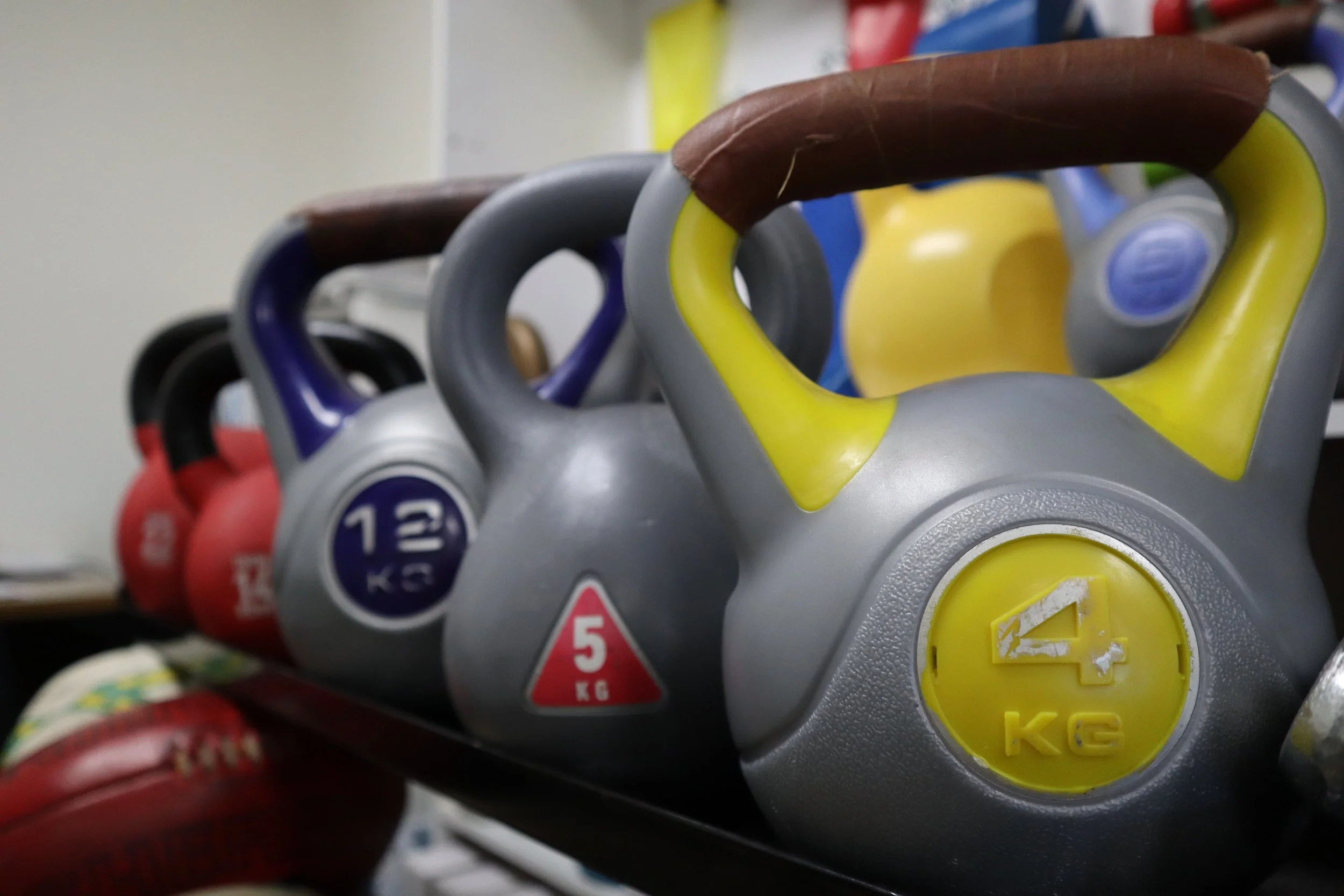
Strength exercises help rebuild stability after injury, support healing, and prevent future flare-ups. By strengthening key muscle groups, they improve joint support, enhance movement control, and reduce pain.
Strength training also corrects postural imbalances, helping you move more efficiently and reducing strain on your spine and joints. With a targeted program, you can recover faster, improve posture, and maintain long-term physical resilience.
-
Pilates-based lumbar stability exercises activate the core muscles that support the spine, helping reduce pain and pressure on an injured disc.
This controlled, low-impact approach improves spinal stability, restores movement confidence, and lowers the risk of future flare-ups—making it a safe and effective option for disc rehabilitation.
-
Correct manual handling advice is essential for recovering from a back injury and preventing future issues. Learning safe lifting and movement techniques—such as using a proper hip hinge—reduces load on the lumbar discs, protects healing tissues, and lowers the risk of re-injury.
Good technique also improves efficiency at home and work, helping you stay active with confidence and less pain.
-
Targeted shoulder exercises help reduce pain and improve movement after rotator cuff tears, tendonitis, or bursitis. They strengthen key muscles, support tendon healing, restore stability, and prevent future injuries—helping you return to daily activities and sports with confidence.