
When More Isn’t Better: How Too Much Exercise Can Slow Your Knee Replacement Recovery
Are You Doing Too Much After Knee Replacement? (And Slowing Your Recovery)
Knee replacement surgery is a major milestone. For many patients, it represents a fresh start—less pain, better movement, and a return to the activities they enjoy.
But one of the biggest misconceptions we see is this:
👉 If exercise is good… more must be better.
Unfortunately, recovery doesn’t work that way.
Finding the Right Balance
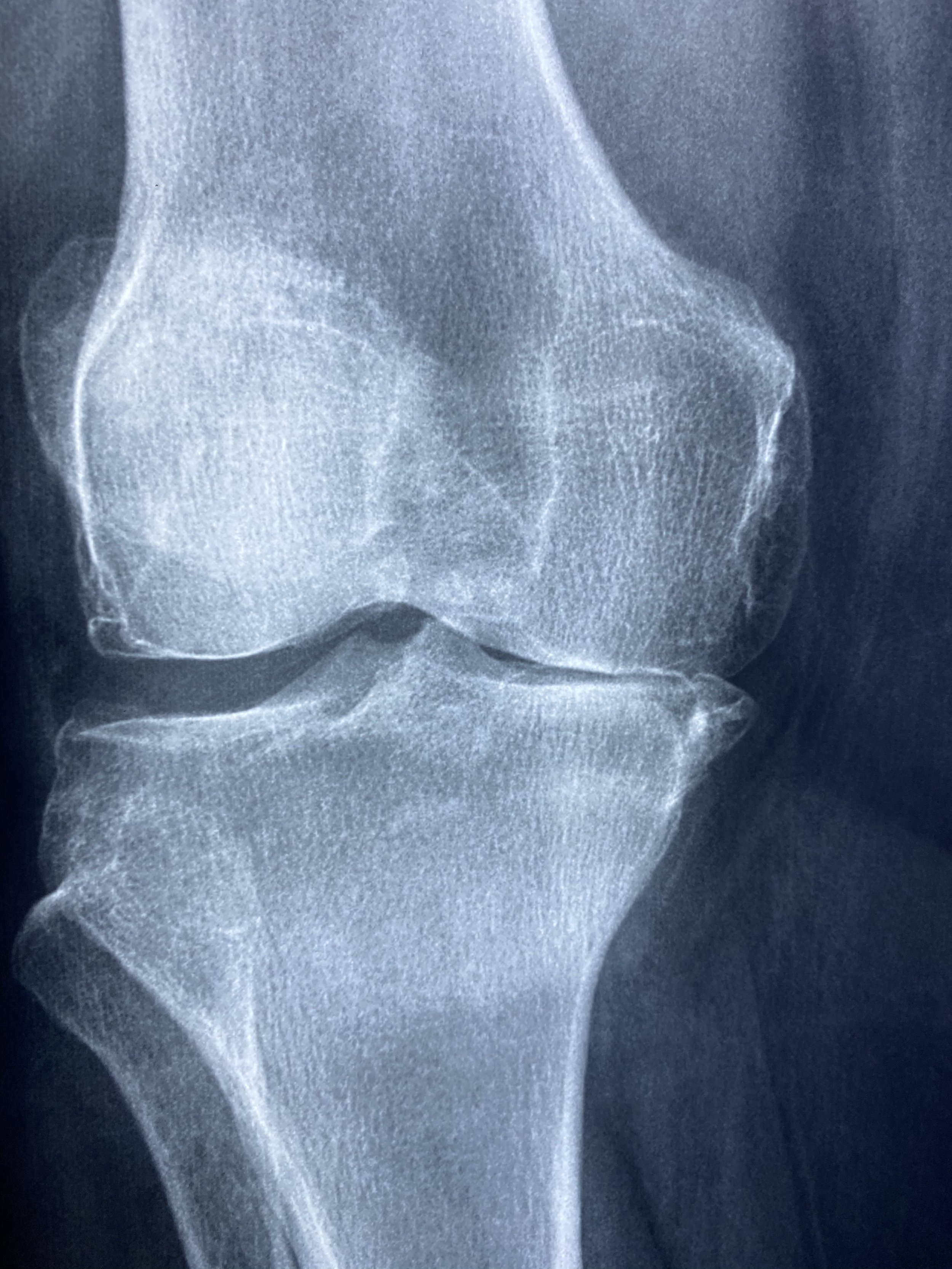
After a total knee replacement, your body is going through a significant healing process. The joint has been surgically altered, surrounding tissues have been disrupted, and inflammation is part of the normal response.
Exercise plays a crucial role in recovery, but only in the right amount. Too little movement can lead to stiffness and weakness. Too much, however, can irritate the joint and slow things down.
If you’re unsure what the right balance looks like, our full guide on knee replacement rehab in Bacchus Marsh explains how to progress safely through each stage of recovery.
When Doing More Starts to Work Against You
One of the biggest issues we see is increased swelling. When the knee is overloaded too early, it becomes more inflamed and fluid builds up inside the joint. This doesn’t just make the knee look swollen—it actually limits how well it can move and function.
Put simply:
👉 a swollen knee is a weak and stiff knee.
If swelling is limiting your progress, you can learn practical strategies in our guide on how to reduce swelling after knee replacement.
Pushing too hard can also reduce your range of motion. It might feel like you’re trying to “force” improvement, but swelling and pain often create the opposite effect. The joint becomes more irritable, and movement becomes harder—not easier.
A Common Mistake Early After Surgery
A pattern we frequently see is patients leaving hospital with a long list of exercises and instructions to complete them three or four times per day.
While this advice is well intentioned, in the early stages it can simply be too much.
Your body isn’t just recovering from the knee itself. It is also dealing with the after-effects of surgery, the anaesthetic, fatigue, poor sleep, and ongoing pain.
Understanding what’s realistic in the early phase can help—our knee replacement recovery timeline breaks down what to expect week by week.
It’s Okay to Ease Off
This is where it’s important to listen to your body.
If you’re exhausted, haven’t slept well, feel unwell, or your pain levels are higher than usual, it is completely reasonable to scale things back.
You don’t need to push through every session to make progress.
In fact, doing too much too early often leads to setbacks—which we see frequently in patients who fall into the boom–bust cycle during knee rehab.
Don’t Let Guilt Drive Your Recovery
Another challenge many patients face is the feeling that they are somehow “failing” if they can’t keep up with their exercise program.
Missing a session or struggling on a tough day can lead to guilt.
But here’s the reality:
👉 You haven’t failed—and you haven’t set yourself back.
Recovery is not about being perfect every single day. It’s about consistency over time.
This is especially important when you understand that preparing well before surgery (prehab) and pacing your recovery properly afterwards both play a major role in long-term outcomes.
Slow and Steady Progress Is the Goal
It’s very common for expectations to be ahead of reality after a knee replacement.
The first few weeks are often the hardest. Swelling is at its peak, movement feels restricted, and progress can feel frustratingly slow.
👉 Swelling is one of the biggest barriers to regaining movement early on.
A structured approach—including the right exercises after knee replacement—can help you progress without triggering flare-ups.
It’s a Marathon, Not a Sprint
Recovery after knee replacement doesn’t happen overnight.
There will be good days and tougher days. Some days feel like progress, others feel like a step backwards.
👉 Recovery is not a straight line.
But over time, your movement will improve and your strength will return.
If you’re wondering when you can safely return to activities, see our guide on returning to walking, golf, and sport after knee replacement.
Time Is Your Biggest Friend
Healing takes time. You can’t rush tissue repair, strength gains, or the reduction of swelling.
And that’s okay.
If you miss a day or even a couple of days of exercises because your body needs a break, it is not the end of the world.
What really matters is consistency over weeks and months—not perfection day to day.
Avoiding the Boom–Bust Cycle
A common pattern many patients fall into is doing too much on a “good day,” flaring the knee up, then needing to rest before starting again.
This boom–bust cycle slows progress and increases frustration.
A better approach is steady, manageable progression—something we guide patients through every day at Bacchus Marsh Physiotherapy.
So, How Much Is the Right Amount?
A simple rule we use in the clinic is this:
👉 Your knee should feel the same or better the next day—not worse.
Some discomfort during exercise is normal. But increased swelling, stiffness, or pain lasting into the next day is usually a sign you’ve done too much.
The Role of Physiotherapy
A structured physiotherapy program removes the guesswork.
It helps you:
Progress safely
Avoid overload
Restore strength and movement efficiently
If you’re searching for physio after knee replacement in Bacchus Marsh, getting the right guidance early can make all the difference.
Final Thoughts
Doing more exercise after a knee replacement doesn’t necessarily lead to better results. In many cases, it can slow things down.
The key is finding the right balance between effort and recovery.
Because the best outcomes don’t come from doing the most…
👉 they come from doing the right amount, consistently over time.
Ready to Recover the Right Way?
At Bacchus Marsh Physiotherapy, we help patients across Maddingley, Darley, Melton, Ballan and Eynesbury recover safely and confidently after knee replacement.
📞 5367 4383
🌐 www.bacchusmarshphysiotherapy.com.au
Book Online
https://book.nookal.com/bookings/book/4b5b918F-E1aA-Bb8C-09FC-96F1fA8ec5cC/location
Invest in better movement
