
Neck Related Headaches
Physiotherapy for Neck-Related Headaches (Cervicogenic Headaches)
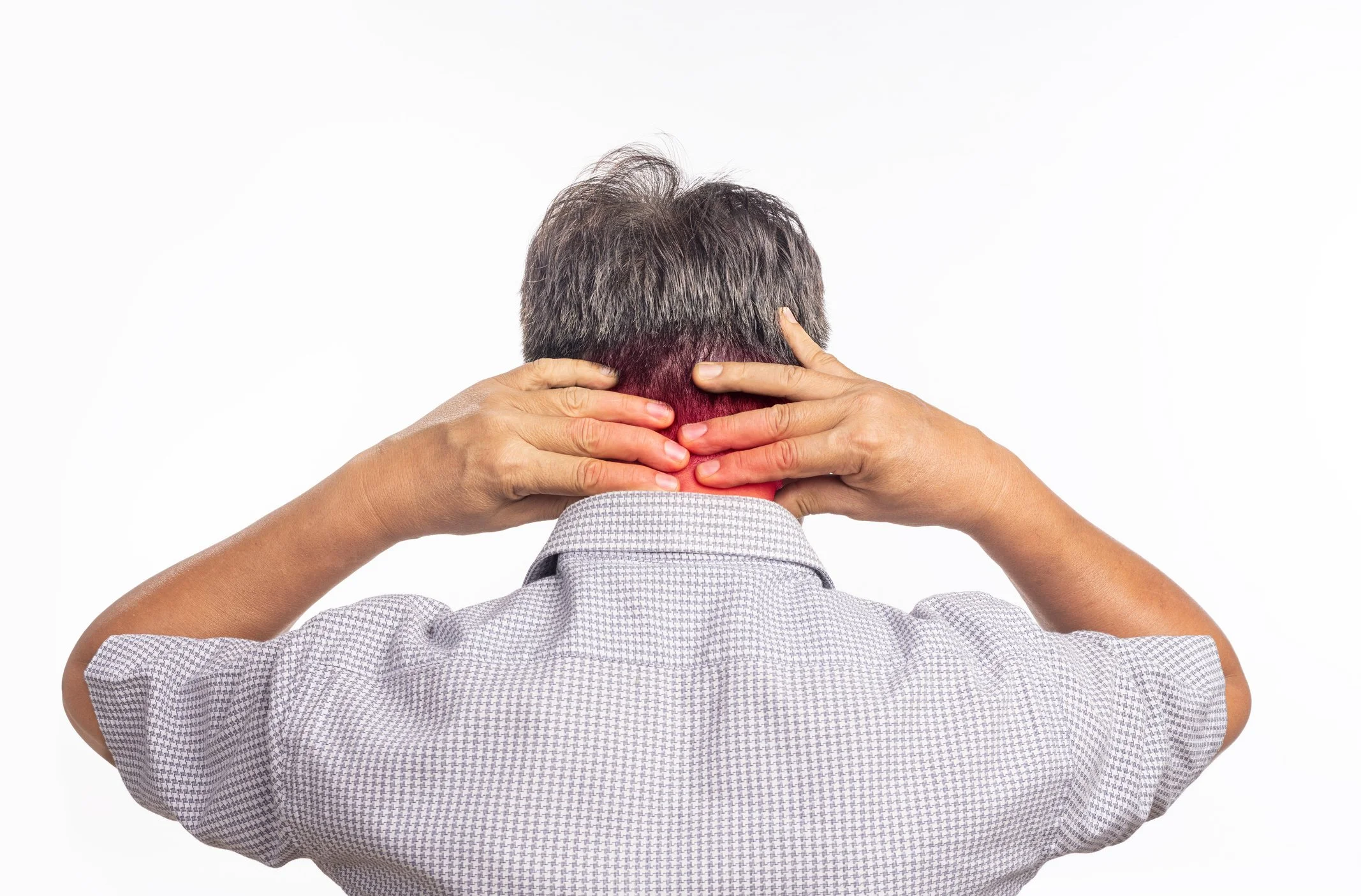
Neck-related headaches occur when the upper cervical joints, nerves, or muscles refer pain into the head. They often present as pain starting at the base of the skull and radiating to the forehead, temples, or behind the eye. Poor posture, stress, prolonged sitting, and neck stiffness are common triggers.
Our physiotherapists specialise in identifying the exact structures contributing to your headaches and provide targeted treatment to reduce symptoms, restore movement, and prevent ongoing flare-ups.
Common Symptoms of Cervicogenic Headaches
Pain starting in the neck and radiating into the head
Headache triggered by neck movement or sustained postures
Stiffness in the upper neck
Tenderness around the base of the skull
Reduced neck movement
Pain on one side of the head
Light or sound sensitivity (sometimes)
Headaches following long periods at a computer
Areas We Treat
1. Upper Cervical Joint Stiffness (C1–C3)
Stiff joints at the top of the neck commonly cause referred headache pain.
Treatment includes:
Gentle joint mobilisation
Cervical traction and decompression
Position correction
Restoring mobility significantly reduces headache frequency.
2. Neck Muscle Tension & Trigger Points
Overactive neck muscles can compress nerves or refer pain upward.
Common culprits:
Suboccipitals
Upper trapezius
Levator scapulae
Sternocleidomastoid (SCM)
We use:Soft tissue release
Dry needling
Targeted stretching
3. Posture-Related Headaches
Forward head posture and rounded shoulders load the upper cervical spine.
We address posture through:
Ergonomic assessment
Scapular and neck strengthening
Habit correction for work, driving, and devices
4. Neck Movement Dysfunction
Poor coordination or stiffness in neck movement can repeatedly trigger headaches.
We help restore:
Smooth cervical movement
Motor control of deep neck flexors
Balanced muscle activation
5. Stress-Induced Headache Patterns
Stress increases neck and scalp muscle tension.
Treatment may include:
Breathing and relaxation strategies
Gentle mobility work
Release of chronic tension patterns
Our Physiotherapy Treatment Approach
Your personalised treatment plan may include:
Cervical joint mobilisation
Soft tissue therapy
Dry needling
Deep neck stabiliser strengthening
Posture & ergonomic retraining
Neural mobility exercises
Headache management education
Home exercises to reduce recurrence
All treatments follow evidence-based guidelines for cervicogenic headache management.
Book Your Neck-Related Headache Assessment
If headaches are impacting your work, concentration, or daily life, physiotherapy can help identify the cause and provide long-term relief.
Contact us today to begin your recovery.
