
Muscle Pain and Weakness: An Overlooked Side Effect of Cholestrol Medications
Can Statin Medications Cause Muscle Pain and Weakness?
What Bacchus Marsh locals should know
I read The Cholesterol Myth by cardiologist Dr. Stephen Sinatra many years ago, which outlined a range of potential side effects associated with statin medications. One section in particular really caught my attention — musculoskeletal aches and pains and muscle weakness. At the time, I was surprised that a medication so commonly prescribed could have such a noticeable impact on how muscles feel and perform.
Since then, this has stayed firmly on my clinical radar. In the clinic, when I see patients with unexplained muscle pain, widespread stiffness, or a more global sense of weakness that doesn’t quite fit the usual injury patterns, one of the questions I routinely ask is whether they are taking a statin medication.
I have also treated a patient who was severely affected by statin-related muscle symptoms, to the point where everyday activities became difficult. Even after the medication issue was recognised, it took many months — and in some respects years — for him to regain a sense of normality with his strength and function. That experience reinforced just how significant these side effects can be for some individuals, even though they are uncommon.
Statins are highly effective and important drugs for many people, but in some cases they can influence muscle strength, endurance, and pain levels — particularly in active individuals or older adults. Understanding this connection can make a big difference in avoiding unnecessary scans, frustration, and slow rehabilitation progress.
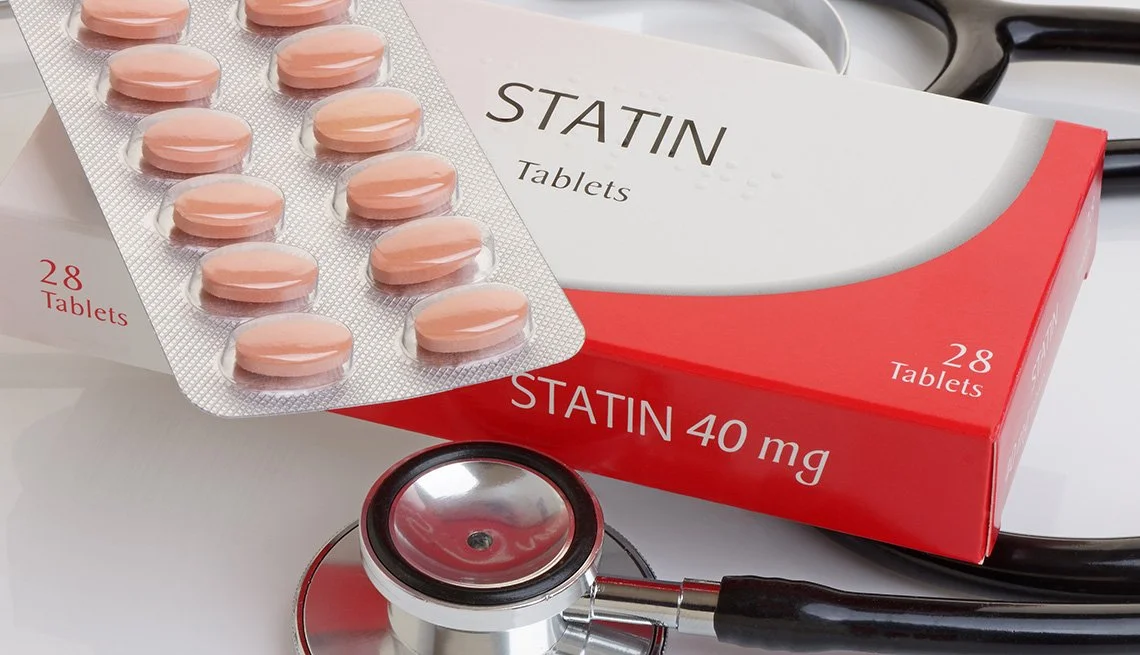
How statins can affect muscles and joints
Statins work by blocking an enzyme involved in cholesterol production. That same biochemical pathway also plays a role in how muscles produce energy and recover from load. In some people, this can lead to musculoskeletal symptoms that show up in everyday activities like walking hills, climbing stairs, or returning to the gym.
1. Muscle pain (myalgia)
This is the most common statin-related complaint we hear in the clinic.
Typical features
Generalised muscle aching or heaviness
Muscle stiffness or tightness
Cramping or fatigue with activity
Symptoms often affect both sides of the body (thighs, calves, shoulders)
Feels like post-exercise soreness without having exercised
Importantly, there is usually no muscle tear or injury, and scans or blood tests are often normal.
2. Reduced muscle strength and endurance
Some people notice:
Earlier fatigue when walking around town or at work
Difficulty with stairs, hills, or squatting
Reduced power or confidence at the gym
This is thought to be related to reduced energy production within muscle cells, meaning muscles fatigue more quickly even though they appear structurally normal.
3. Tendon and joint symptoms
Less commonly, statins may be associated with:
Achilles tendon pain
Shoulder or rotator cuff discomfort
Generalised joint stiffness
Clinically, this can look like tendon pain appearing without a clear overload, injury, or change in activity.
4. Severe muscle injury (rare)
Serious muscle reactions are very uncommon, but urgent medical review is required if there is:
Severe or rapidly worsening weakness
Dark urine
Marked fatigue or systemic symptoms
For most people, statin-related muscle symptoms are mild, reversible, and manageable once identified.
How common are statin-related muscle symptoms?
Research shows:
1–5% in clinical trials
10–20% in everyday practice
Some studies report symptoms in up to 30%
In our experience at Bacchus Marsh Physiotherapy, statin-related muscle symptoms are most commonly identified when pain or weakness:
Appears without a clear injury
Is widespread or affects both sides
Does not respond as expected to strengthening programs
Who is more likely to experience symptoms?
You may be at higher risk if you:
Are physically active
Are over 60
Have a smaller body frame
Have thyroid issues
Are on higher statin doses
Take multiple medications
Have a history of muscle or tendon problems
Why this matters for physiotherapy
Statin-related muscle symptoms can closely mimic:
Age-related muscle weakness
Overuse injuries
Tendon pain
“Slow progress” in rehabilitation
If symptoms don’t match the typical injury patterns we expect, we look beyond just muscles and joints — including medication history — to make sure nothing important is being missed.
What should you do if you think statins may be contributing?
Do not stop your medication without medical advice.
Helpful steps include:
Discussing symptoms with your GP
Medication adjustments such as dose changes or switching statins (guided by your doctor)
Modifying exercise load temporarily (not complete rest)
Continuing physiotherapy to maintain strength and confidence with movement
Most people notice improvement once the issue is properly identified and managed.
The takeaway for Bacchus Marsh locals
Not all muscle pain or weakness comes from injury. In some cases, medication plays a role — and recognising this early can prevent unnecessary scans, frustration, and stalled recovery.
Book an appointment
If muscle pain, stiffness, or weakness is limiting your work, sport, or daily activities — and the cause isn’t clear — a thorough assessment can help.
👉 Book an appointment with Bacchus Marsh Physiotherapy to get clarity, reassurance, and a tailored plan to get you moving confidently again.
