
Physiotherapy for Ankle and Foot Fractures
Recovery, Strength & Mobility for Simple, Complex and Avulsion Fractures
Ankle and foot fractures can significantly limit mobility, weight-bearing and daily function. Whether managed surgically or non-surgically, physiotherapy plays a crucial role in restoring strength, movement and confidence once your fracture is stable and cleared for rehabilitation. Our physiotherapists specialise in guided, evidence-based recovery for all types of ankle and foot fractures, including avulsion fractures, ensuring safe progression through each stage of healing.
Types of Fractures We Treat
We treat a wide range of ankle and foot fractures, including:
Avulsion fractures
Lateral and medial malleolus fractures
Distal tibia and fibula fractures
Fifth metatarsal fractures (Jones, avulsion, stress-related)
Navicular, cuboid and cuneiform fractures
Talus and calcaneus fractures
Stress fractures in the foot and ankle
Post-operative fracture management
Whether your injury was caused by sport, a fall, twisting trauma or repetitive stress, our team provides structured rehabilitation to help you recover safely.
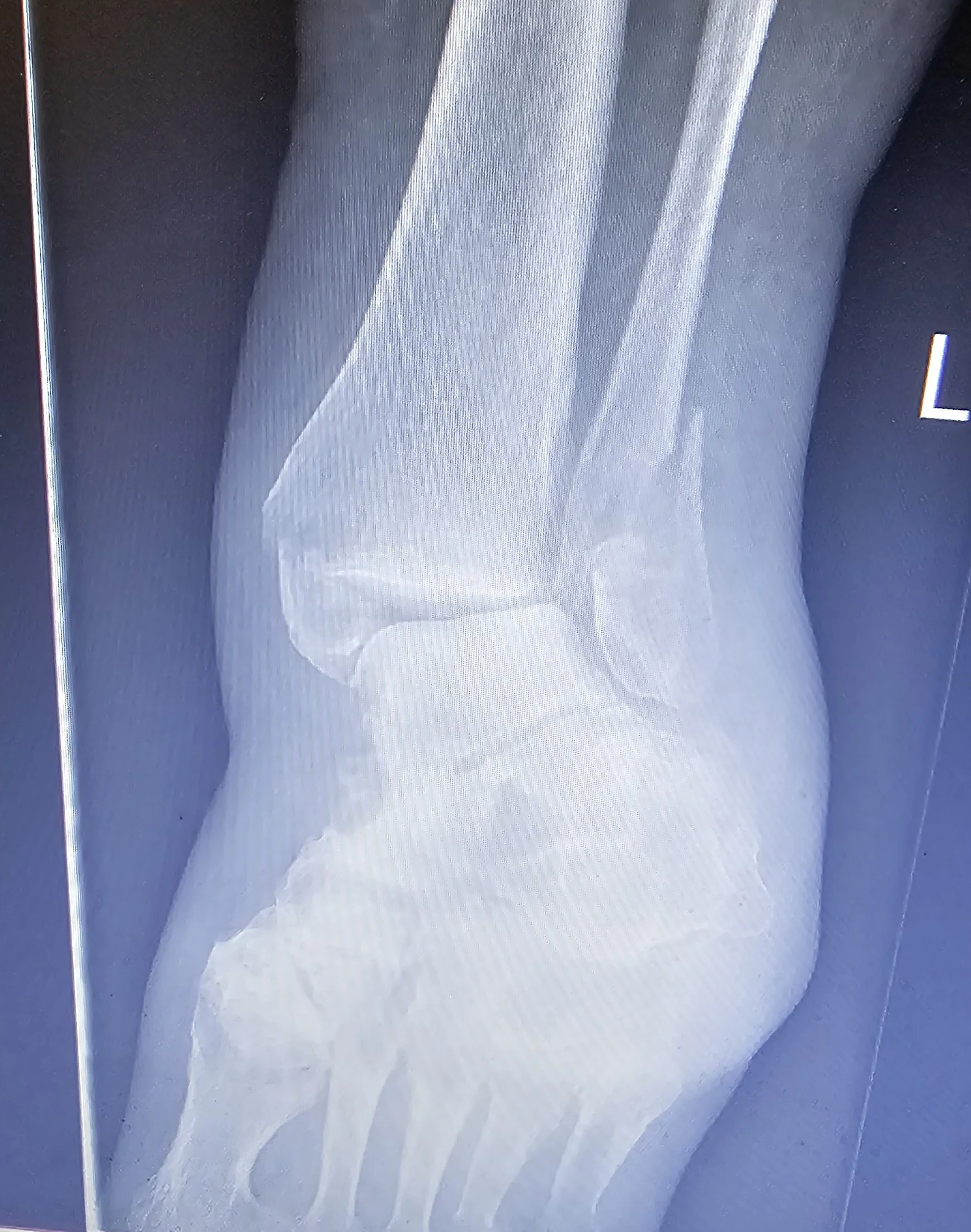
Areas We Treat During Rehabilitation
1. Pain, Swelling & Inflammation Management
Strategies to reduce swelling after immobilisation
Soft tissue techniques
Compression and elevation guidance
Safe movement to promote circulation
Managing post-cast stiffness
2. Restoration of Ankle & Foot Joint Mobility
After a period of immobilisation, stiffness is common. Treatment may include:
Gentle joint mobilisation
Stretching tight structures (calf, plantar fascia, midfoot)
Restoring normal dorsiflexion, plantarflexion and midfoot motion
Big toe mobility, crucial for walking
3. Re-building Strength After Immobilisation
Muscle weakness occurs quickly following fractures. We target:
Calf and soleus strength
Tibialis posterior and foot intrinsic muscles
Peroneals for lateral ankle control
Quadriceps and hip stabilisers for gait support
Progressive loading of the injured limb
4. Balance, Proprioception & Stability Training
Essential for preventing re-injury and restoring full confidence. Includes:
Static and dynamic balance drills
Single-leg stability retraining
Reactive and functional control
Early-to-late stage proprioception programs
5. Gait Retraining & Return to Normal Walking
Fractures often lead to compensatory walking patterns. We assist with:
Transitioning from boot to normal footwear
Improving stride length and weight-bearing symmetry
Ensuring proper push-off through the forefoot
Correcting limping or guarding patterns
6. Sport, Work & Lifestyle-Specific Rehabilitation
Once strength and mobility improve, we tailor rehab to your goals:
Running and jumping progression
Agility and return-to-sport testing
Work-related load progression
Functional strengthening for daily tasks
7. Management of Avulsion Fractures
Avulsion fractures often behave like severe ligament sprains but require correct protection early. We provide:
Guided healing timelines
Progressive load and mobility programs
Peroneal, deltoid or ligament-specific strengthening
Stability and proprioception retraining
Prevention strategies for future sprains or avulsions
Our Physiotherapy Approach
Your rehabilitation plan is based on the fracture type, healing stage and medical imaging. Treatment may include:
Manual therapy
Individualised strengthening program
Joint mobilisation
Soft tissue treatment
Exercise progressions appropriate for bone healing
Boot/weaning guidance
Return-to-activity programming
Education on daily load management
We work closely with your GP or specialist to ensure safe progression through each stage of bone healing.
Common Causes of Ankle & Foot Fractures We See
Sport trauma (twisting, landing injuries)
Falls or missteps
Direct impact injuries
Rapid change in training load
Poor bone density
Untreated sprains leading to avulsion fractures
When to Begin Physiotherapy
You can start physiotherapy once imaging is completed and your fracture has been medically cleared for rehabilitation. Seek physio if you have:
Ongoing pain after immobilisation
Stiffness or difficulty weight-bearing
Weakness or instability
Concerns about returning to work or sport
Difficulty transitioning out of a boot or brace
Early, guided rehab leads to faster recovery and better long-term outcomes.
Book Your Ankle & Foot Fracture Assessment
Our physiotherapists are experienced in helping patients recover safely and confidently after ankle and foot fractures.
Contact us today to book your rehabilitation appointment.
