
ACL Tears
Physiotherapy for ACL Tear Recovery
Physiotherapy for ACL tear recovery focuses on reducing pain and swelling, restoring knee stability, rebuilding strength, and safely returning athletes to sport or daily activities—whether managed surgically or conservatively.
Physiotherapy for ACL Tear Recovery – What We Treat
Anterior Cruciate Ligament (ACL) tears are a common knee injury, particularly in sports involving pivoting, jumping, or sudden changes of direction, such as football, basketball, soccer, and skiing. ACL injuries can result in pain, instability, swelling, and reduced knee function.
ACL rehabilitation forms part of our sports physiotherapy in Bacchus Marsh, with rehabilitation progressing towards running, jumping,change of direction and return to sport
We treat ACL tears in all patients—those who undergo ACL reconstruction surgery as well as those choosing conservative management without surgery. Our physiotherapists specialise in assessing knee mechanics, identifying contributing factors, and providing targeted rehabilitation to restore stability, prevent further injury, and support a safe return to sport or daily activities.
Common Symptoms of ACL Tear
Sudden “pop” at the time of injury
Immediate swelling and pain in the knee
Instability or “giving way” during movement
Reduced range of motion or difficulty fully bending or straightening the knee
Weakness in quadriceps, hamstrings, or hip stabilisers
Difficulty walking, running, or performing sports-specific movements
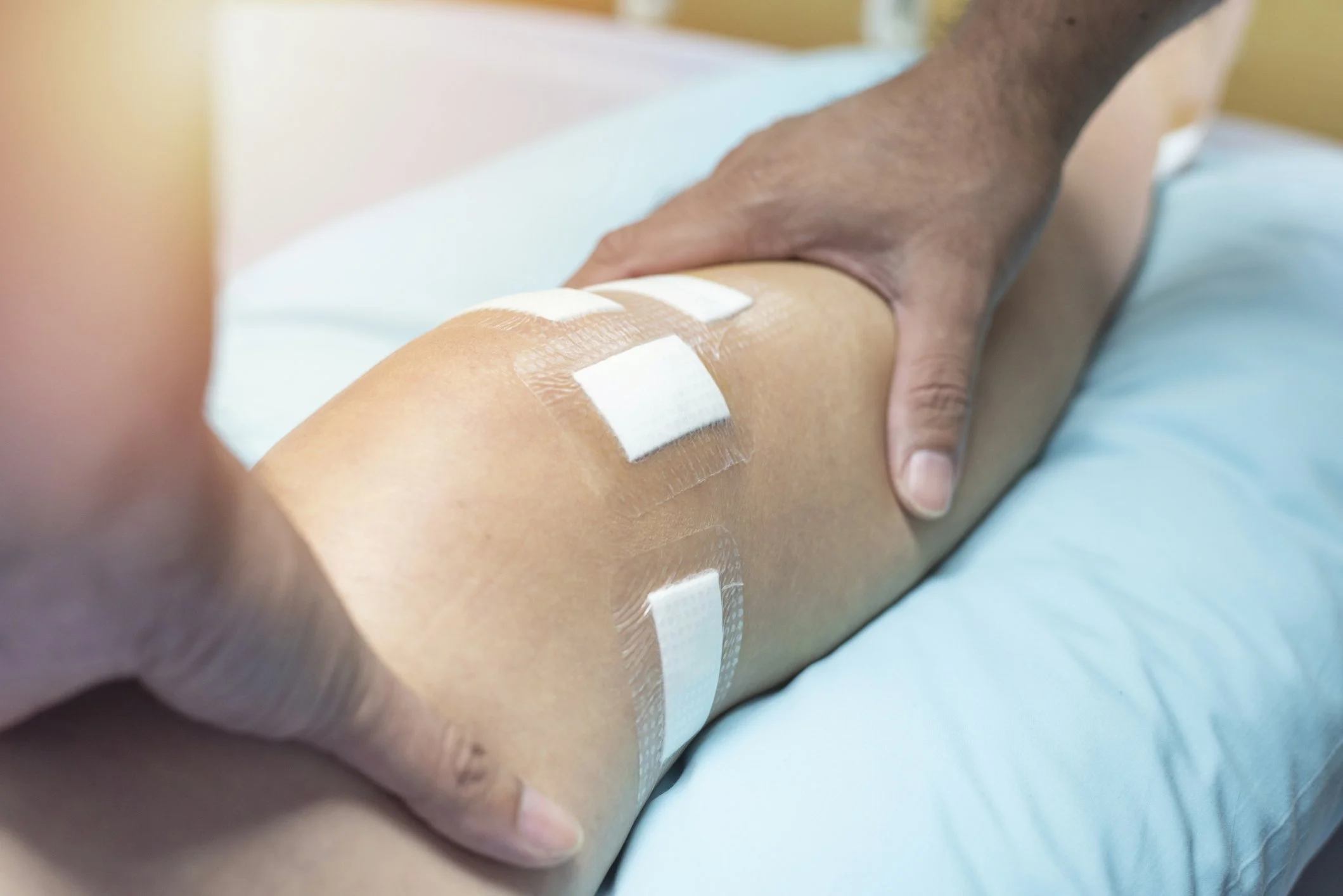
Areas We Treat
1. Knee Joint Stability & Ligament Protection
ACL tears compromise knee stability and function.
Treatment includes:
Bracing guidance when required
Neuromuscular and proprioception exercises
Controlled strengthening and movement retraining
2. Muscle Weakness & Imbalance
Quadriceps, hamstrings, and hip muscles often weaken after an ACL injury or surgery.
We provide:
Targeted strengthening programs
Functional exercises for leg and core stability
Plyometric and sport-specific progression
3. Swelling & Pain Management
Post-injury or post-surgery inflammation can limit mobility.
Our approach includes:
Soft tissue therapy and manual techniques
Activity pacing and load management
Ice/heat and other symptom-relief strategies
4. Gait & Biomechanical Correction
Altered movement patterns may increase risk of re-injury.
We address this through:
Gait analysis and correction
Functional movement retraining
Sport-specific movement optimisation
5. Pre- & Post-Surgical Rehabilitation
Physiotherapy supports patients both before and after ACL reconstruction:
Pre-op: Maintain mobility, strength, and knee control
Post-op: Gradual restoration of range of motion, strength, and stability
Non-surgical ACL management: Targeted strengthening, stability, and activity modification to manage symptoms and prevent further injury
Return-to-sport protocols tailored to your sport and level of activity
Our Physiotherapy Treatment Approach
Your individualised rehabilitation plan may include:
Knee joint mobilisation and soft tissue therapy
Strengthening of quadriceps, hamstrings, glutes, and core
Balance, proprioception, and functional exercises
Gait and movement retraining
Plyometric and agility training for safe return to sport
Education on injury prevention, load management, and safe movement
All treatments follow current clinical guidelines for ACL tear management and rehabilitation, whether the injury is managed surgically or conservatively, and are tailored to your activity level and goals.
Book Your ACL Tear Recovery Assessment
If ACL injury or reconstruction is affecting your mobility, sport performance, or daily activities, physiotherapy can help restore strength, stability, and confidence in your knee—whether you have had surgery or are managing your ACL conservatively.
Contact us today to start your personalised recovery program.
