
Patella Tendon Pain (Jumpers Knee)
Physiotherapy for Patella Tendon Pain (Patellar Tendinopathy) – Athlete Focused
We provide specialised physiotherapy for athletes with patella tendon pain, restoring tendon strength, jump capacity and load tolerance so you can return to high-performance sport with confidence. Returning to jumping sports requires more than reducing pain; our sports physiotherapy service can progress rehabilitation toward jumping, landing and full training.
Athlete-Focused Treatment for Patella Tendon Pain
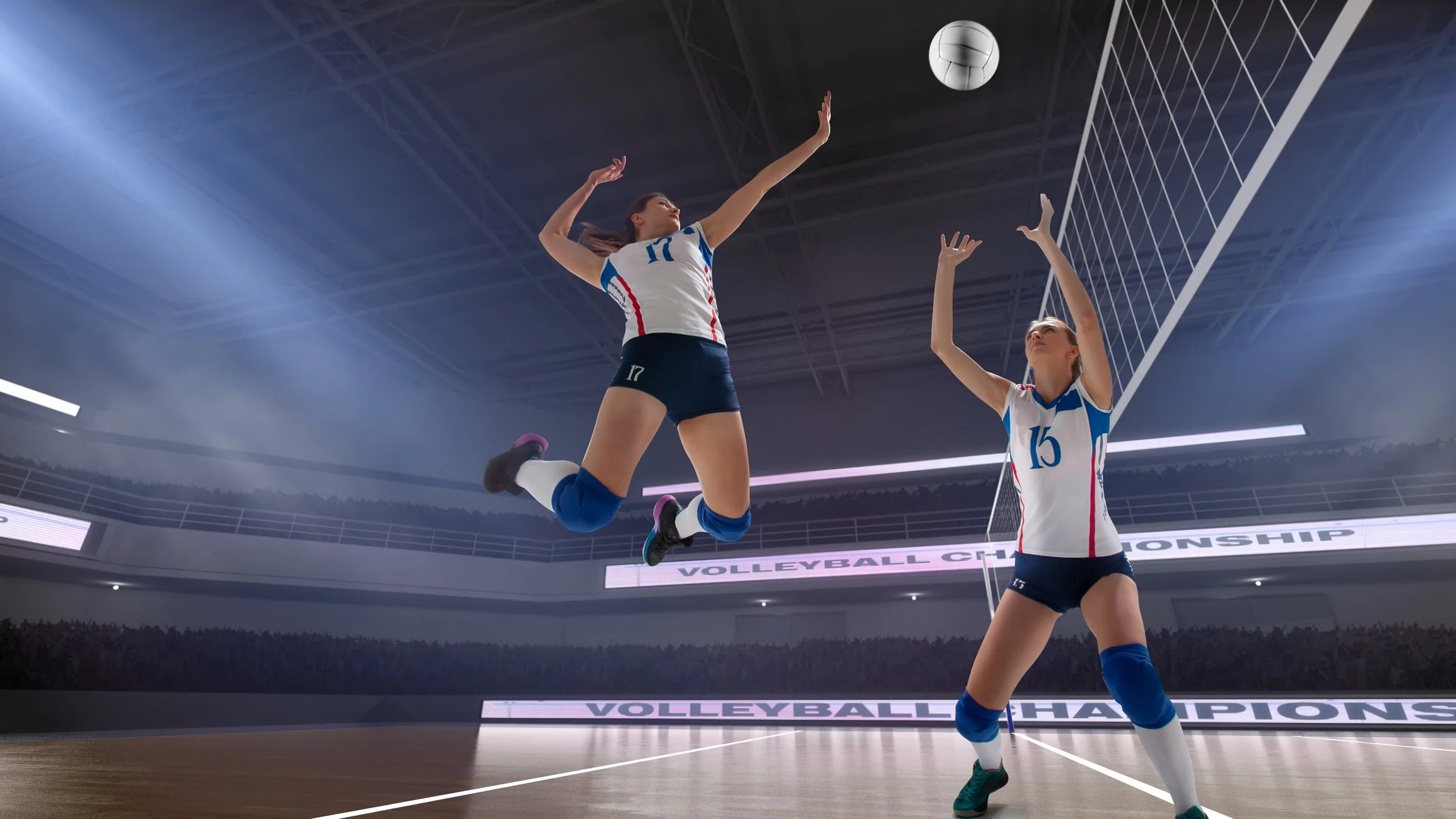
Patella tendon pain—often called jumper’s knee or patellar tendinopathy—is common in sports involving jumping, sprinting, change of direction and heavy lower-limb loading. It typically develops from overload, reduced tendon capacity, or strength deficits in the quadriceps and hip muscles.
We specialise in treating athletes from basketball, football, netball, running, athletics, CrossFit and court sports. Our goal is to restore your tendon strength, improve your power and explosiveness, and get you back to full training and competition safely.
Common Signs of Patella Tendon Pain
Pain at the front of the knee, just below the kneecap
Sharp pain when jumping, landing or accelerating
Stiffness during warm-up that improves mid-session but flares afterwards
Pain with single-leg squats, decline squats or heavy quad loading
Reduced jumping height, power or confidence
Soreness after increased training load or back-to-back sessions
Areas We Treat
1. Tendon Loading & Strength Rehabilitation (Gold Standard)
Patella tendons improve through progressive, targeted loading.
We use evidence-based protocols including:
Isometric loading for pain control
Heavy Slow Resistance (HSR) training to rebuild tendon stiffness and strength
Eccentric training to improve collagen tolerance
Power and plyometric progressions
Return-to-play loading tests to track readiness
This restores tendon capacity and reduces reinjury risk.
2. Jump Mechanics & Movement Analysis
Athletes benefit from precise biomechanical assessment. We analyse:
Jump and landing technique
Knee valgus/collapse
Hip and trunk stability
Foot and ankle loading
Acceleration/deceleration mechanics
Correcting these patterns reduces tendon stress and improves performance.
3. Strengthening the Kinetic Chain
Patella tendon pain rarely improves without addressing the whole lower limb.
We target:
Quadriceps (especially VMO)
Glute medius & maximus
Hamstrings
Calves (critical for shock absorption)
Core and pelvic stabilisers
A stronger chain means less tendon overload.
4. Load Management for High-Performance Sport
We help you stay in training while managing tendon irritation, using:
Weekly training load planning
Jump volume monitoring
Adjusting intensity, frequency & recovery
Periodisation to prevent overload spikes
Strategies for tournament weeks or congested fixture periods
This keeps you competing without flaring symptoms.
5. Manual Therapy to Support Training
While strength is the primary treatment, short-term relief can come from:
Soft tissue release
Quadriceps/hip flexor mobility
Patella tendon unloading taping (if appropriate)
Dry needling
These techniques assist performance while rehab builds long-term resilience.
6. Return-to-Sport Testing & Performance Progressions
Before clearing an athlete, we assess:
Power testing (CMJ, SL hop tests, RSI)
Strength benchmarks (quad index, isometric testing)
Pain response under load
Plyometric progressions
Sport-specific drills & game-speed movements
This ensures you return stronger than before.
Why Athletes Develop Patella Tendon Pain
The most common causes include:
Sudden increase in jump/sprint loads
Poor load management or inadequate recovery
Weakness in quads, glutes or calves
Biomechanical inefficiencies
High weekly training volume
Hard playing surfaces
Reduced tendon capacity after time off
The good news is that most athletes make a full return with the right, progressive tendon-loading program.
Get Back to Peak Performance
If patella tendon pain is stopping you from jumping, sprinting or performing at your best, our athlete-focused assessment and rehab programs can help you rebuild strength, prevent flare-ups and return to competition with confidence.
Book your assessment today and start your high-performance tendon rehabilitation.
