
Osgood Schlatters Syndrome
Physiotherapy for Osgood–Schlatter’s Condition Recovery
Targeted physiotherapy for Osgood–Schlatter’s disease to reduce knee pain, manage load, improve strength, and help young athletes return to running, jumping and sport safely.
Effective Treatment for Osgood–Schlatter’s Disease
Osgood–Schlatter’s disease is a common cause of knee pain in growing adolescents—especially active kids involved in running, jumping and change-of-direction sports. It occurs when the patella tendon pulls on the growth plate at the top of the shin bone, causing pain, swelling and a noticeable bump under the knee.
We provide expert physiotherapy to help young athletes stay active, manage symptoms and build lower-limb strength during the growth phase. With the right guidance, most athletes can continue participating in sport with reduced pain and improved knee function.
Common Symptoms
Pain at the front of the knee, below the kneecap
Swelling or a bony bump at the tibial tuberosity
Pain with running, sprinting, jumping or kneeling
Stiffness during warm-up
Increased pain during growth spurts
Discomfort with stairs or squatting
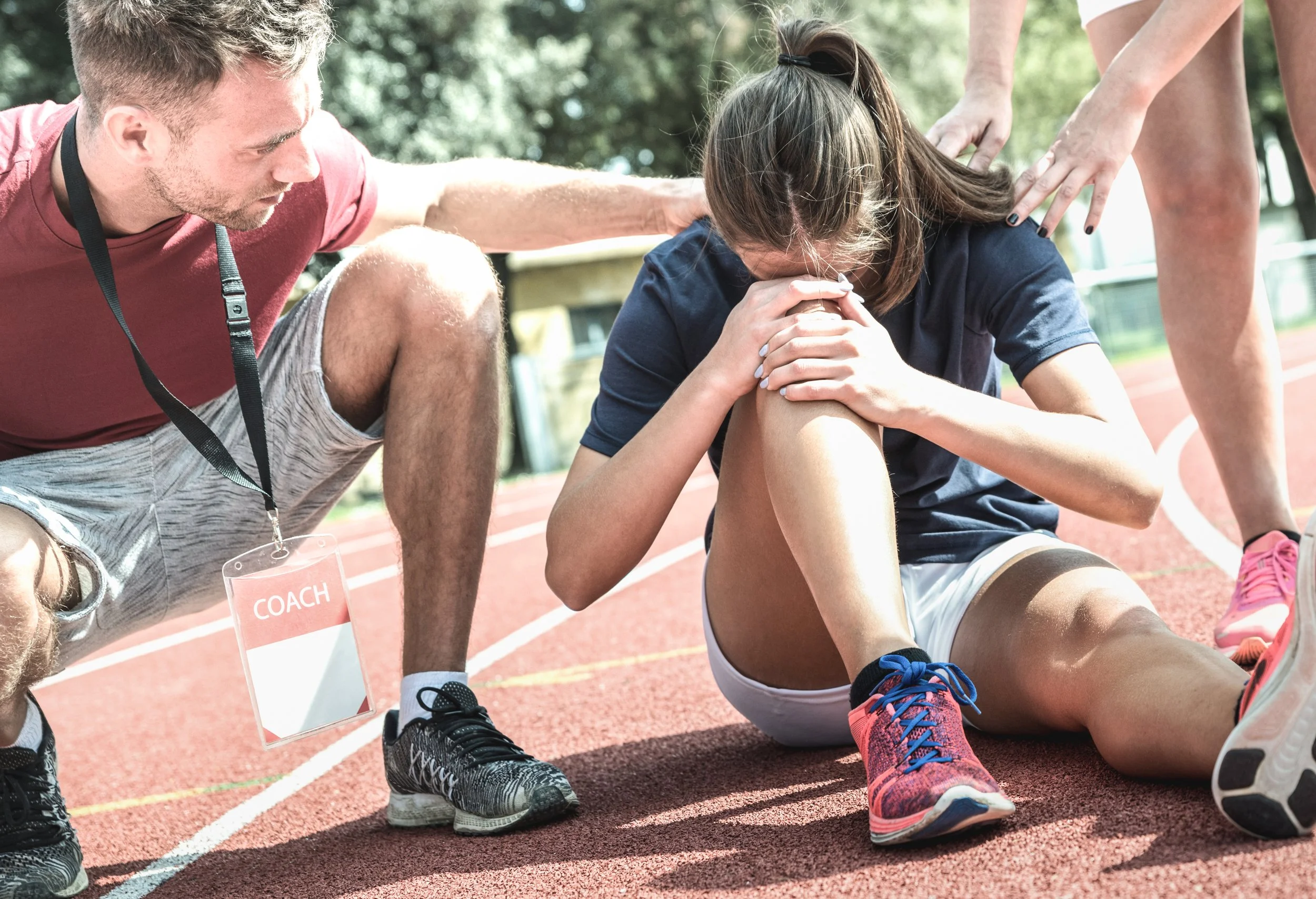
Areas We Treat
1. Activity & Load Management
Osgood–Schlatter’s is highly responsive to smart load modification. We help athletes adjust training so they can stay active without flaring symptoms.
This includes:
Reducing jump and sprint volume
Planning training across the week
Adjusting intensity and recovery
Managing tournament or high-load periods
Developing low-impact alternatives during flare-ups
We keep them in the game, not on the sidelines, whenever possible.
2. Strengthening the Knee & Lower Limb
Strengthening reduces the strain placed on the patella tendon and growth plate. We focus on:
Quadriceps strengthening
Gluteal and hip muscle stability
Hamstring balance
Calf strength for shock absorption
Core and pelvic control
A stronger kinetic chain means less irritation and improved performance.
3. Flexibility & Mobility Treatment
Tight quadriceps and hip flexors can increase traction on the growth plate. We address:
Quad length and flexibility
Hip flexor tightness
Hamstring and calf mobility
Posture and movement technique
Better flexibility reduces knee tension and improves comfort during sport.
4. Pain Relief & Symptom Management
To help reduce discomfort during flare-ups, we use:
Soft tissue release
Patella tendon unloading taping
Cold therapy guidance
Education on pain patterns and growth-related sensitivity
These strategies support athletes while rehab builds long-term resilience.
5. Technique & Movement Retraining
We correct mechanical contributors such as:
Landing technique
Knee valgus/collapse
Running mechanics
Acceleration and deceleration patterns
Improving movement quality reduces knee stress and enhances performance.
6. Return-to-Sport Planning
We guide safe progression back to full intensity using:
Graded running programs
Jump and plyometric progressions
Strength benchmarks
Load tolerance monitoring
This ensures young athletes return to sport confidently and without ongoing pain.
Why Osgood–Schlatter’s Happens
The condition is common during growth spurts because:
Bones lengthen faster than muscles
Tendons tighten and increase traction on the growth plate
High training volumes overload the knee
Strength and flexibility haven’t fully caught up with growth
With the right physiotherapy, symptoms can be managed effectively while maintaining participation in sport.
Help Your Child Recover and Stay active
Osgood–Schlatter’s doesn’t need to stop young athletes from enjoying sport. With a structured rehab plan, pain can be reduced, function improved and flare-ups minimised.
Book an assessment today to help your child recover and stay confidently active.
