
Why Sports Injuries Keep coming back
Why Sports Injuries Keep Coming Back (And What You Can Do About It)
If you’ve ever thought…
"Why does this same hamstring / ankle / shoulder keep flaring up?"
You’re not alone.
Recurrent sports injuries are one of the most frustrating things for active people. You rest. It settles. You return to training. And then—bang—it’s back again.
Let’s unpack why.
The Scenario I See All The Time
This happens with both athletes and the general population.
Someone strains a calf. Tweaks a hamstring. Flares up an Achilles or patella tendon.
It’s sore for a week or two. They back off activity. Maybe ice it. Maybe take some anti-inflammatories. They rest.
And guess what?
It feels better.
Pain settles. Walking is fine. Light jogging feels okay. They think:
"Great. I’m good again."
Then one day…
You’re running late and sprint across the road.
You jump over a puddle.
You hop off a curb.
You accelerate hard at training.
And suddenly —
Bang.
That same sharp grab.
That same pull.
That same tendon flare.
And the frustration kicks in.
"How can it happen again? I rested it!"
Here’s the key:
Rest reduces pain — it does not rebuild tissue capacity.
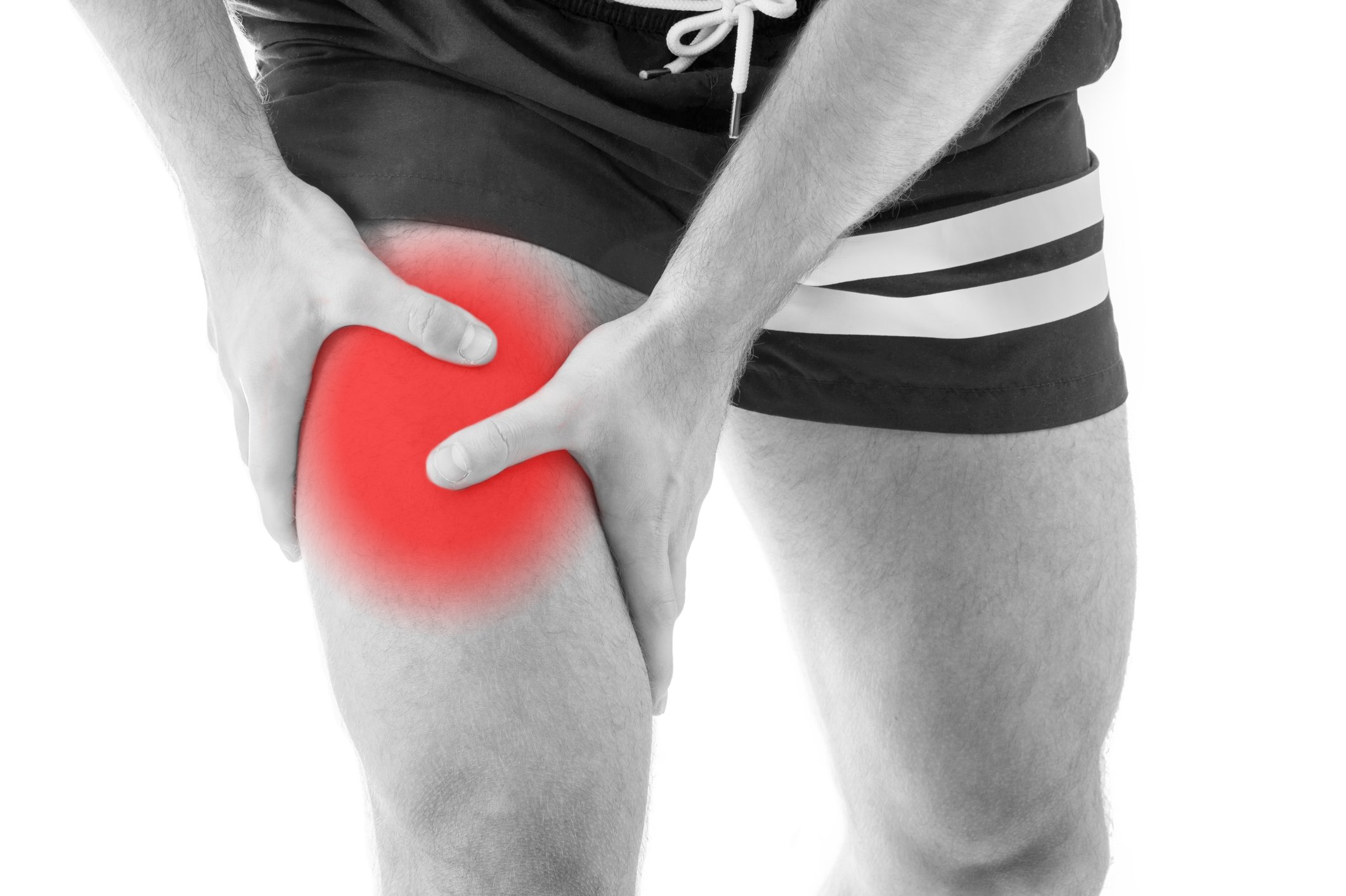
1️⃣ You Treated the Pain — Not the Cause
Most recurring injuries are load problems.
Rest works because it removes stress from the tissue. Inflammation settles. Pain reduces.
But rest does not:
Increase tendon stiffness
Restore muscle strength
Improve high-speed tolerance
Prepare you for sport intensity
When life suddenly demands force — sprinting, jumping, cutting — the tissue simply isn’t ready.
2️⃣ Competition Is Not Training
Here’s something I strongly recommend to every athlete:
You should be able to complete two full competitive training sessions successfully before returning to competition.
Why?
Because everyone knows what happens on game day.
Intensity rises a few notches.
Adrenaline kicks in.
The competitive spirit engages.
You chase harder.
You sprint faster.
You push beyond what you would normally do at training.
Competition is unpredictable.
You can’t control reactive movements.
You can’t control fatigue spikes.
If your body hasn’t tolerated full training intensity twice — including sprinting, change of direction, and contact where relevant — it hasn’t proven readiness.
Training is rehearsal.
Competition is performance.
And performance loads tissues harder.
3️⃣ Strength Wasn’t Fully Rebuilt
After injury:
Muscle strength drops
Tendon stiffness changes
Neuromuscular timing alters
If rehab stops when pain settles, you’re operating below capacity.
For example:
A hamstring needs heavy hip-dominant strength.
An Achilles needs progressive calf loading and plyometrics.
A quad tendon needs deceleration strength.
Without rebuilding beyond baseline, recurrence risk stays high.
4️⃣ Load Spikes Are the Real Culprit
The body adapts to gradual load — not spikes.
Examples:
First intense session after weeks off
Two hard games close together
Sudden sprint effort
Unexpected jump
That puddle jump isn’t the cause.
It’s the final straw on a tissue that wasn’t prepared.
5️⃣ Pain-Free Is Not Performance-Ready
One of the biggest myths in sport:
“It doesn’t hurt anymore, so I’m fine.”
True readiness requires:
Symmetrical strength
High-speed tolerance
Fatigue resilience
Confidence under load
Without these, you’re hoping — not preparing.
The 6 Big Reasons Injuries Recur
Rest instead of rebuild
Incomplete strength restoration
Sudden load spikes
Early return to competition
No exposure to full training intensity
Poor progression into high-speed movements
How To Break The Cycle
To truly reduce recurrence:
✅ Rebuild Strength Beyond Pre-Injury Levels
✅ Progress Tendons With Heavy Slow Loading
✅ Reintroduce Speed and Power Gradually
✅ Complete Two Full Competitive Training Sessions Before Playing
✅ Monitor Weekly Load and Avoid Spikes
Rehab should prepare you for:
Sprinting
Cutting
Jumping
Decelerating
Fatigue
Not just gym exercises.
The Real Truth
Injuries rarely “just come back.”
They come back because:
The tissue wasn’t rebuilt.
The intensity jump was too large.
Competition exposure wasn’t properly staged.
Readiness was assumed instead of tested.
Rest is phase one.
Rebuild is phase two.
Return to full training is phase three.
Competition is phase four.
Skip a phase — and that familiar “bang” is waiting.
If you’re stuck in the injury cycle, it may not need more rest — it needs smarter progression.
Build resilience. Respect the process. Earn your return. Stay in the game.
