
Rotator Cuff Tears
Physiotherapy for Rotator Cuff & Supraspinatus Tears
Expert Shoulder Injury Diagnosis, Treatment & Rehabilitation
A supraspinatus tear—one of the most common rotator cuff injuries—often causes pain, weakness, and difficulty lifting your arm. Whether your injury is the result of overuse, a fall, or age-related tendon changes, our physiotherapy clinic provides specialised assessment and evidence-based treatment to help you recover safely and regain full shoulder function.
If shoulder pain is affecting your daily tasks, gym training, or sleep, our physiotherapists can help you restore strength, stability, and confidence.
What Is a Supraspinatus Tear?
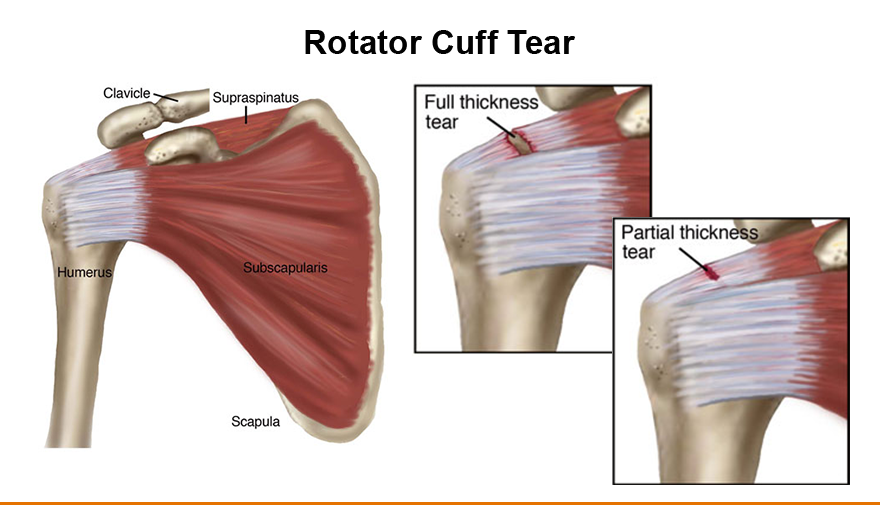
The supraspinatus is the rotator cuff tendon responsible for lifting the arm and stabilising the shoulder. Tears can vary from minor irritation to full-thickness damage.
Types of Supraspinatus & Rotator Cuff Tears
Partial-thickness tears: Incomplete tearing of the tendon fibres
Full-thickness tears: Complete disruption through the tendon
Degenerative tears: Age-related changes that weaken the tendon over time
Traumatic tears: Caused by lifting injuries, falls, or sudden overload
Many supraspinatus tears respond extremely well to structured physiotherapy.
Athletes with shoulder problems can progress from strengthening into sport-specific rehabilitation through our sports physio service in Bacchus Marsh.
Common Symptoms of a Rotator Cuff or Supraspinatus Tear
Pain lifting the arm above shoulder height
Night pain or discomfort lying on the injured side
Weakness with lifting objects or overhead activity
Sharp or catching pain with certain movements
Reduced range of motion
Difficulty with dressing, grooming, or reaching
Fatigue in the shoulder during repetitive tasks
Pain after gym pressing or pulling exercises

Areas & Conditions We Treat
✔ Supraspinatus Partial Tears
Often very responsive to a progressive strengthening program.
✔ Full-Thickness Rotator Cuff Tears (Conservative & Post-Surgical Rehab)
We treat tears managed without surgery and provide structured rehab after surgical repair.
✔ Degenerative Rotator Cuff Tendinopathy
Age-related tendon breakdown causing pain, weakness, and loss of function.
✔ Traumatic Rotator Cuff Tears
From falls, heavy lifting, pulling injuries, or sudden overhead movement.
✔ Subacromial Pain / Rotator Cuff Impingement
Pain caused by irritation of the supraspinatus tendon and surrounding structures.
✔ Scapular Dyskinesis & Postural Shoulder Pain
Poor shoulder blade mechanics contributing to tendon overload.
✔ Overuse Injuries From Work or Sport
Repetitive overhead tasks, manual labour, swimming, racquet sports, and gym training.
How Physiotherapy Helps Rotator Cuff & Supraspinatus Tears
✔ Comprehensive, Accurate Shoulder Assessment
To tailor your treatment, we assess:
Tendon irritability
Range of motion
Strength deficits
Scapular stability and mechanics
Posture and load tolerance
Contributing biomechanics
This ensures a precise and effective rehabilitation plan.
✔ Early Pain Relief & Load Management
In the early phase we focus on calming the tendon while maintaining safe movement:
Gentle shoulder mobilisation
Soft tissue release
Taping or support if needed
Pain-free mobility exercises
Advice on sleeping positions and movement modification
Guidance on what to avoid (and what you can keep doing)
✔ Targeted Rotator Cuff Strengthening
Strengthening is the key to restoring tendon capacity and preventing recurrence.
Your personalised program may include:
Supraspinatus-specific loading
Rotator cuff strengthening (internal/external rotation)
Scapular stability and postural endurance
Functional and kinetic-chain exercises
Progressive resistance training matched to your goals
✔ Functional, Work & Sport-Specific Rehabilitation
Once strength improves, we focus on helping you return safely to:
Gym pressing, pulling, and overhead lifting
Manual handling and work tasks
Overhead or racquet sports
Swimming, throwing, or high-demand shoulder activities
Pain-free daily function
Why Choose Our Physiotherapy Clinic for Rotator Cuff Tears?
Expert clinicians experienced in shoulder injury management
Evidence-based treatment tailored to your tear type and activity level
One-on-one appointments with personalised guidance
Clear home exercise programs with measurable progress
Support for private clients, Medicare EPC, DVA & WorkCover
Long-term focus on strength, mobility, and injury prevention
Your recovery is our priority.
Start Your Rotator Cuff Tear Treatment Today
A supraspinatus tear does not have to limit your lifestyle. With targeted physiotherapy, most people recover strength, control, and function without needing surgery.
If you're ready to reduce pain and restore your shoulder strength:
Book your physiotherapy appointment today.
