
Shoulder Dislocation
Physiotherapy for Shoulder Dislocation
Expert Assessment, Treatment and Rehabilitation
If you’ve experienced a shoulder dislocation, professional physiotherapy is essential for safely restoring strength, stability and confidence in your shoulder. For athletes returning to contact, throwing or overhead sports, rehabilitation can form part of our sports injury physiotherapy service.
At our clinic, we provide evidence-based rehabilitation to help you recover fully and reduce the risk of future re-injury.
What Is a Shoulder Dislocation?
A shoulder dislocation occurs when the humeral head (upper arm bone) comes out of the shoulder socket. This often happens during sport, falls, lifting injuries or sudden impact. After a dislocation, the shoulder can remain weak, unstable and painful without proper rehabilitation.
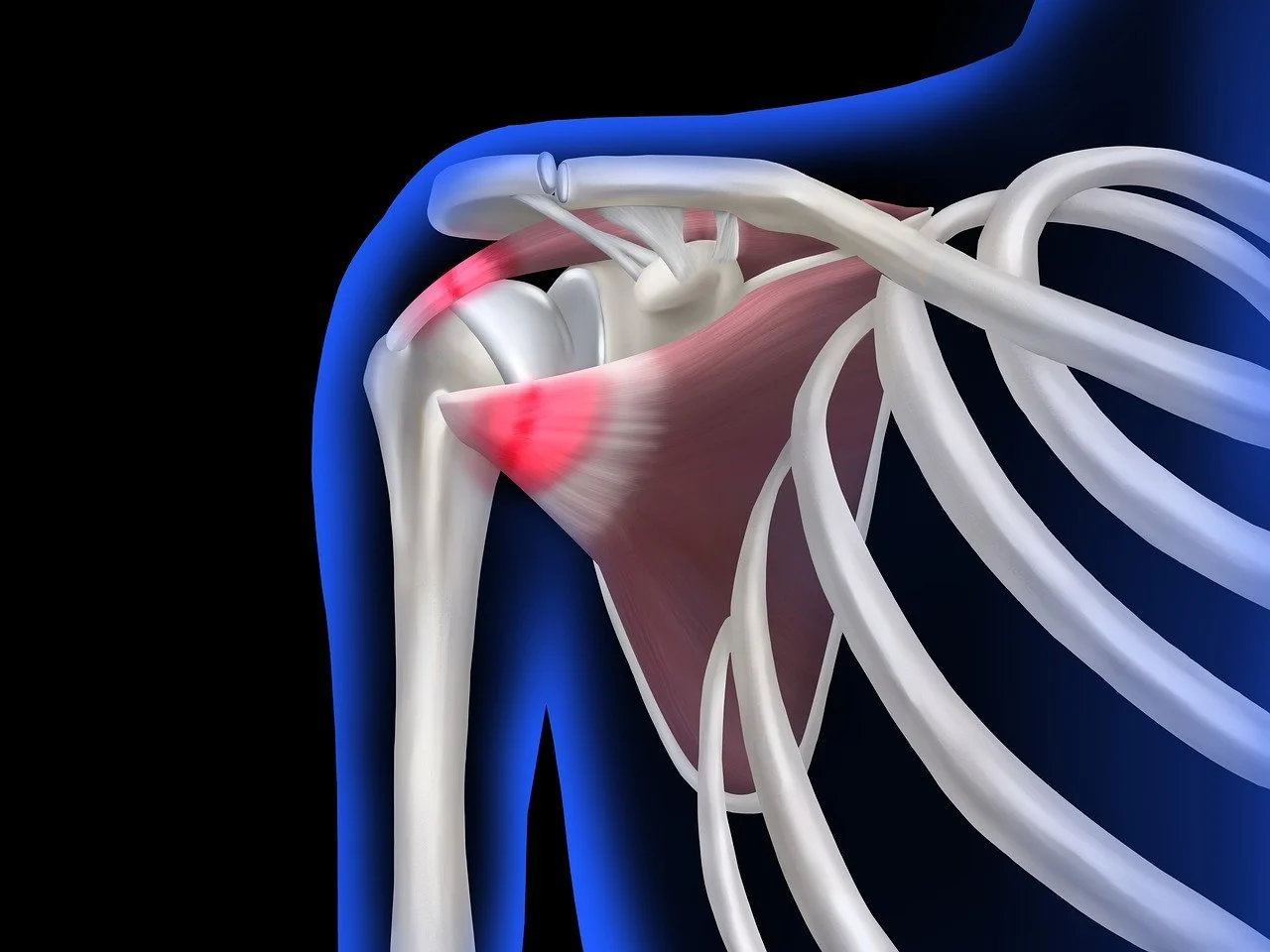
How Physiotherapy Helps Shoulder Dislocations
Our physiotherapists use targeted treatment to:
Reduce pain and inflammation
Restore shoulder mobility
Strengthen the rotator cuff and scapular stabilisers
Improve shoulder joint stability
Reduce the risk of recurrent dislocation
Support return to work, sport and daily activities
We tailor your program to the stage of your recovery for safe and progressive results.
Common Symptoms We Treat
Shoulder pain and swelling
Weakness or instability
Limited range of motion
Clicking or catching
Loss of strength
Recurrent shoulder dislocations
Apprehension or fear of movement
Physiotherapy Treatment for Shoulder Dislocation
1. Early Phase (Pain & Protection)
Joint protection strategies
Gentle mobility exercises
Pain-relief techniques
Posture and movement correction
2. Mobility Restoration
Guided stretching
Soft-tissue release
Manual therapy
Shoulder blade control exercises
3. Strengthening & Stability
Rotator cuff strengthening
Scapular stabilisation
Proprioception and balance
Resistance-band and functional strength training
4. Return to Sport or Work
Task-specific strength
Impact and load preparation
Sport-specific drills
Injury prevention strategies
Areas We Treat for Shoulder Dislocation Recovery
Our physiotherapists assess and treat all structures affected by a shoulder dislocation, including:
Glenohumeral joint
Rotator cuff muscles (supraspinatus, infraspinatus, subscapularis, teres minor)
Shoulder capsule and ligaments
AC joint and surrounding soft tissues
Scapular muscles (trapezius, serratus anterior, rhomboids)
Neck and upper-back mechanics
Nerve irritation or post-traumatic stiffness
Addressing the whole kinetic chain ensures long-term stability and better functional outcomes.
Why Choose Our Clinic?
Experienced physiotherapists in shoulder rehabilitation
Evidence-based treatment plans
One-on-one appointments
Clear guidance on safe return to activity
Supportive, patient-focused care
Customised programs for athletes, workers and post-surgical patients
Book Your Shoulder Dislocation Physiotherapy Appointment
Early assessment ensures a stronger, more stable recovery and lowers your chance of re-dislocation.
Call us today to book your physiotherapy consultation and start your rehabilitation journey.
